
Toronto’s Queen & Spadina Subway Station Reaches Major Construction Milestone
Ontario Line Update and What It Means for Downtown
REAL ESTATE NEWS
2/6/20262 min read


If you’ve recently walked past the intersection of Queen Street West and Spadina Avenue,
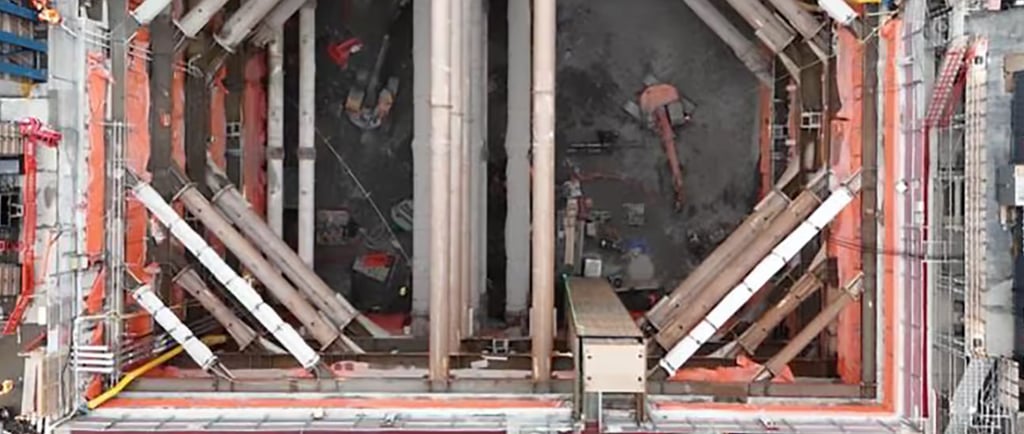
you may have noticed what looks like a massive hole in the ground. While it may not look impressive yet, this site marks a critical step in the construction of the Ontario Line, Toronto’s next major rapid transit project.
The future Queen–Spadina Station will serve one of the city’s fastest-densifying downtown areas and play a key role in easing congestion on existing subway lines.

Where Construction Stands Today
Over the past several months, Metrolinx has been advancing excavation work at the Queen–Spadina station site, which forms part of the Ontario Line’s tunnelled downtown segment.
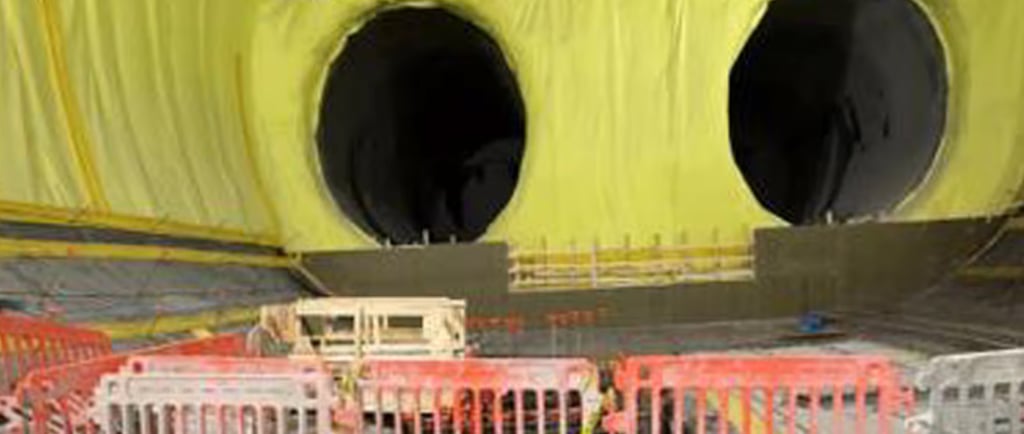
From street level, the station appears as two separate construction zones.Underground, however, they will eventually connect into a single integrated transit complex. The south station site excavation is now nearing completion, marking the end of one of the most technically challenging phases of construction.
The underground space — which will eventually house the station platforms — currently resembles a natural cavern.This shape is the result of a sequential excavation technique, used to safely create large underground voids in dense urban areas.
Next Phase: Permanent Station Construction
With excavation wrapping up in the coming weeks, Metrolinx plans to begin construction of the station’s permanent structural elements in March, with work continuing until early 2029.
This phase will involve extensive use of heavy equipment, including:
• Cranes
• Concrete mixers
• Boom lifts
• Compressors and other specialized machinery
As expected with major infrastructure projects, nearby residents and businesses should anticipate some construction noise.
Construction Hours and Noise Management
To minimize disruption, Metrolinx has outlined several mitigation measures:
• Crews will work around the clock in rotating shifts
• Louder activities at the south site will generally be scheduled between 7 a.m. and 11 p.m.
• After-hours material movement will use the north station site whenever possible
• Noise levels and air quality will be continuously monitored
These measures are intended to balance construction efficiency with livability in one of downtown Toronto’s busiest intersections.

Why the Ontario Line Matters
The Ontario Line is one of the most significant transit expansions in Toronto’s history.
Key project details:
• Total length: 15.6 kilometres
• New stations: 15
• Target completion: 2031
• Primary goal: Relieve overcrowding on Line 1 and Line 2
Queen–Spadina Station is strategically located to serve downtown residents, students, healthcare workers, and financial district commuters, making it one of the most impactful stops on the entire line.
From Construction Pit to Transit Hub
Today, the Queen & Spadina site may look like little more than a construction zone.
In less than a decade, it will become a major downtown transit hub, reshaping how people move through Toronto’s core. As the Ontario Line progresses, stations like Queen–Spadina will not only improve daily commutes but also influence urban development, commercial activity, and long-term property values in surrounding neighbourhoods.For anyone following Toronto’s transit future, this “hole in the ground” is worth watching closely.
If you need my help to find your sweet home please contact me as well.
email: chloe.jee@century21.ca
text: 416.333.653