
Toronto Retail Leasing Trends in 2025: The Rise of Athleisure, Wellness, and Value Retail
REAL ESTATE NEWS
1/31/20262 min read
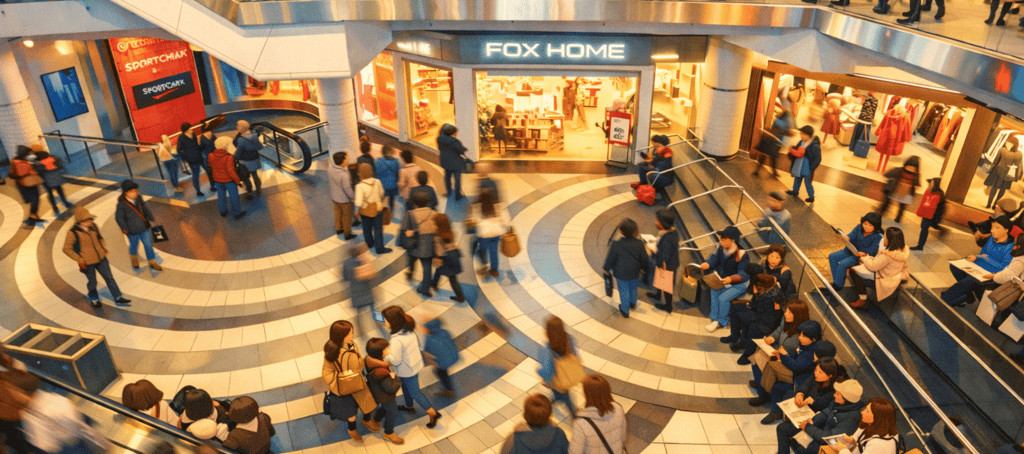

Toronto’s retail leasing market demonstrated notable resilience throughout 2025, despite experiencing volatility at the beginning of the year. Demand for retail space remained strong, particularly in high-traffic corridors, driving rental growth across several key areas of the city.
According to CBRE’s H2 2025 Retail Rent Survey, Toronto continues to rank among the most dynamic retail markets in Canada. Leasing activity remained active across prime urban locations, supported by evolving consumer preferences and a gradual normalization of economic conditions.
Expansion of Athleisure, Wellness, and Beauty Concepts
One of the most prominent trends in 2025 was the continued expansion of athleisure, wellness, and beauty-related retailers. Pilates studios, boutique fitness concepts, medispa clinics, and both premium and value-oriented gyms increasingly became core retail tenants rather than niche offerings.
Athleisure brands such as Arc’teryx, Lululemon, and Hoka maintained strong momentum, leveraging experiential retail formats to attract consistent foot traffic. Beauty and wellness tenants have steadily increased their overall footprint, reflecting a broader lifestyle shift among consumers toward health, self-care, and experience-driven spending.
First-to-Market Brands Strengthening Prime Retail Corridors
Yorkdale Shopping Centre and Bloor Street West remained key destinations for first-to-market brands entering Canada. Notable openings included luxury Korean eyewear brand Gentle Monster at Yorkdale, Italian menswear label Luca Faloni, and premium appliance brand SMEG along Bloor Street West.
From a landlord’s perspective, the ability to attract first-to-market tenants significantly enhances the long-term value and positioning of retail assets. The anticipated opening of Tiffany & Co.’s Canadian flagship at the Bay and Bloor intersection further reinforces the area’s status as Canada’s premier luxury retail corridor.
Continued Strength of Value-Based Retailers
At the same time, value-oriented retailers such as Winners, Dollarama, Bulk Barn, and No Frills performed exceptionally well amid heightened consumer price sensitivity. Loblaw’s rollout of its urban-format No Frills stores—approximately 10,000 square feet in size—has been particularly successful, enabling grocery retail to function effectively within dense urban environments.
This shift underscores a broader trend: consumers are increasingly prioritizing affordability and convenience, favoring brands that deliver clear and tangible value.
Rental Growth Across Key Toronto Submarkets
Rental rates increased along Ossington Avenue, Yorkville Avenue, and in the Yonge–Eglinton area, driven by rising foot traffic and limited supply. Ossington, in particular, has emerged as a standout urban retail strip due to its compact size, strong tenant mix, and vibrant dining and nightlife scene.
Midtown Toronto benefited from significant residential development and excellent transit connectivity, while the financial core experienced renewed retail demand as office workers returned to in-person work environments.
Brands Facing Challenges in the Evolving Market
Despite the overall recovery, not all retailers were able to adapt successfully. The exit of U.S.-based retailers such as Nordstrom highlighted the challenges of translating American retail strategies directly into the Canadian market. Similarly, luxury grocer Pusateri’s faced difficulties competing with value-driven grocery concepts, particularly within shopping mall environments.
These cases reinforce the importance of understanding local consumer behavior and aligning retail formats with market realities.
The 2025 Toronto retail leasing landscape clearly favors retailers that offer either strong premium differentiation or clear value positioning. Concepts that lack a distinct identity or fail to resonate with evolving consumer expectations continue to face significant pressure.
For investors, landlords, and retailers alike, recognizing and adapting to these structural shifts will be critical in shaping successful retail strategies in the years ahead.
If you need my help please contact me
https://www.threads.com/@chloerealty_jee11?xmt=AQF0ffJrnY9dDHpIJc4ugV4QZFUq0GM3lCTDL69GinNG1bc